

























































Related Content
First Post

What Is a Strategic IT Partner?

The Benefits of an Audit-First Approach

The Benefits of an Audit-First Approach

What Are Managed IT Services, Really?

What Are Managed IT Services, Really?

Related Content
What Is a Strategic IT Partner?

What Is a Strategic IT Partner?

The Benefits of an Audit-First Approach

The Benefits of an Audit-First Approach

What Are Managed IT Services, Really?

What Are Managed IT Services, Really?

Related Content
Considering IT Outsourcing? Here's What You Need to Know

Considering IT Outsourcing? Here's What You Need to Know

What Are Managed IT Services, Really?

What Are Managed IT Services, Really?

The Benefits of an Audit-First Approach

The Benefits of an Audit-First Approach

Related Content
What Are Managed IT Services, Really?

What Are Managed IT Services, Really?

Considering IT Outsourcing? Here's What You Need to Know

Considering IT Outsourcing? Here's What You Need to Know

What Is a Strategic IT Partner?

What Is a Strategic IT Partner?

Related Content
What Is a Strategic IT Partner?

What Is a Strategic IT Partner?

Considering IT Outsourcing? Here's What You Need to Know

Considering IT Outsourcing? Here's What You Need to Know

Cyber Security 101 for Businesses

Cyber Security 101 for Businesses

Related Content
AI 101: What It Is, How to Use It, What to Watch Out For

AI 101: What It Is, How to Use It, What to Watch Out For

Cyber Security 101 for Businesses

Cyber Security 101 for Businesses

The Benefits of an Audit-First Approach

The Benefits of an Audit-First Approach

Related Content
What Is a Strategic IT Partner?

What Is a Strategic IT Partner?

What Are Managed IT Services, Really?

What Are Managed IT Services, Really?

The Benefits of an Audit-First Approach

The Benefits of an Audit-First Approach

Related Content
Don’t Cut Corners on HIPAA Compliance

Don’t Cut Corners on HIPAA Compliance

The Benefits of an Audit-First Approach

The Benefits of an Audit-First Approach

What Is a Strategic IT Partner?

What Is a Strategic IT Partner?

Related Content
Considering IT Outsourcing? Here's What You Need to Know

Considering IT Outsourcing? Here's What You Need to Know

What Are Managed IT Services, Really?

What Are Managed IT Services, Really?

Cyber Security 101 for Businesses

Cyber Security 101 for Businesses

Related Content
Why Dropbox Wins Compared to Other Solutions

Why Dropbox Wins Compared to Other Solutions

The Benefits of an Audit-First Approach

The Benefits of an Audit-First Approach

Related Content
Cyber Security 101 for Businesses

Cyber Security 101 for Businesses

The Benefits of an Audit-First Approach

The Benefits of an Audit-First Approach

Related Content
Why You Need to Upgrade Windows ASAP

Why You Need to Upgrade Windows ASAP

The Benefits of an Audit-First Approach

The Benefits of an Audit-First Approach

Related Content
What Is a Strategic IT Partner?

What Is a Strategic IT Partner?

The Benefits of an Audit-First Approach

The Benefits of an Audit-First Approach

What Are Managed IT Services, Really?

What Are Managed IT Services, Really?

Related Content
What Is a Strategic IT Partner?

What Is a Strategic IT Partner?

The Benefits of an Audit-First Approach

The Benefits of an Audit-First Approach

What Are Managed IT Services, Really?

What Are Managed IT Services, Really?

Related Content
What Is a Strategic IT Partner?

What Is a Strategic IT Partner?

The Benefits of an Audit-First Approach

The Benefits of an Audit-First Approach

What Are Managed IT Services, Really?

What Are Managed IT Services, Really?

Related Content
What Is a Strategic IT Partner?

What Is a Strategic IT Partner?

The Benefits of an Audit-First Approach

The Benefits of an Audit-First Approach

What Are Managed IT Services, Really?

What Are Managed IT Services, Really?

Related Content
What Is a Strategic IT Partner?

What Is a Strategic IT Partner?

The Benefits of an Audit-First Approach

The Benefits of an Audit-First Approach

What Are Managed IT Services, Really?

What Are Managed IT Services, Really?

Related Content
What Is a Strategic IT Partner?

What Is a Strategic IT Partner?

The Benefits of an Audit-First Approach

The Benefits of an Audit-First Approach

What Are Managed IT Services, Really?

What Are Managed IT Services, Really?

Related Content
What Is a Strategic IT Partner?

What Is a Strategic IT Partner?

The Benefits of an Audit-First Approach

The Benefits of an Audit-First Approach

What Are Managed IT Services, Really?

What Are Managed IT Services, Really?

Related Content
What Is a Strategic IT Partner?

What Is a Strategic IT Partner?

The Benefits of an Audit-First Approach

The Benefits of an Audit-First Approach

What Are Managed IT Services, Really?

What Are Managed IT Services, Really?

Related Content
What Is a Strategic IT Partner?

What Is a Strategic IT Partner?

The Benefits of an Audit-First Approach

The Benefits of an Audit-First Approach

What Are Managed IT Services, Really?

What Are Managed IT Services, Really?

Related Content
What Is a Strategic IT Partner?

What Is a Strategic IT Partner?

The Benefits of an Audit-First Approach

The Benefits of an Audit-First Approach

What Are Managed IT Services, Really?

What Are Managed IT Services, Really?

Related Content
What Is a Strategic IT Partner?

What Is a Strategic IT Partner?

The Benefits of an Audit-First Approach

The Benefits of an Audit-First Approach

What Are Managed IT Services, Really?

What Are Managed IT Services, Really?

Related Content
What Is a Strategic IT Partner?

What Is a Strategic IT Partner?

The Benefits of an Audit-First Approach

The Benefits of an Audit-First Approach

What Are Managed IT Services, Really?

What Are Managed IT Services, Really?

Resources

Assessments
Whitepapers
Related Content
What Is a Strategic IT Partner?

What Is a Strategic IT Partner?

AI 101: What It Is, How to Use It, What to Watch Out For

AI 101: What It Is, How to Use It, What to Watch Out For

What Are Managed IT Services, Really?

What Are Managed IT Services, Really?

Related Content
What Is a Strategic IT Partner?

What Is a Strategic IT Partner?

The Benefits of an Audit-First Approach

The Benefits of an Audit-First Approach

Related Content
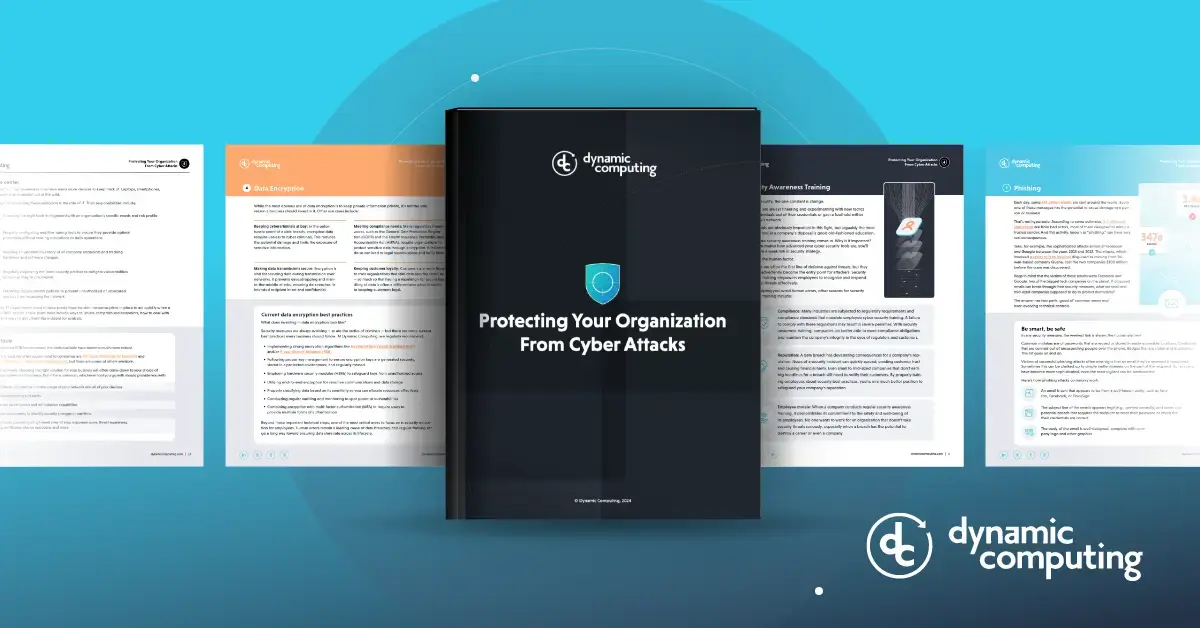
Protecting Your Organization From Cyber Attacks Whitepaper

Protecting Your Organization From Cyber Attacks Whitepaper

Don’t Cut Corners on HIPAA Compliance

The Health Insurance Portability and Accountability Act (HIPAA) is a critical U.S. law that governs the privacy, security, and integrity of patient health information.

Enacted in 1996, compliance with the law is mandatory for healthcare providers, health plans, and businesses handling protected health information.

Among those businesses are managed IT services providers or any organization that touches a company’s IT.

HIPAA consists of several key rules:

dyn - HIPAA Compliance - icon1
The Privacy Rule:
Sets standards for how patient health information should be accessed and disclosed.

dyn - HIPAA Compliance - icon2The Security Rule: Establishes administrative, physical, and technical safeguards to ensure patient health information protection.


dyn - HIPAA Compliance - icon3The Breach Notification Rule: Requires businesses to notify affected individuals, the Department of Health and Human Services (HHS), and sometimes the media if a data breach occurs.


dyn - HIPAA Compliance - icon4
The Enforcement Rule:
Defines penalties and procedures for non-compliance.

Running afoul of any of these rules can have severe consequences for a company — even that company depended upon a managed IT services provider to ensure compliance. 

For example, organizations that fail to comply with HIPAA can face substantial fines ranging from thousands to millions of dollars, depending on the severity of the violation.

Data breaches and HIPAA violations also erode trust, causing patients and clients to lose confidence in an organization’s ability to protect sensitive information.

And compliance failures can lead to audits, investigations, and mandatory corrective actions that disrupt business operations.
dyn - HIPAA Compliance - banner

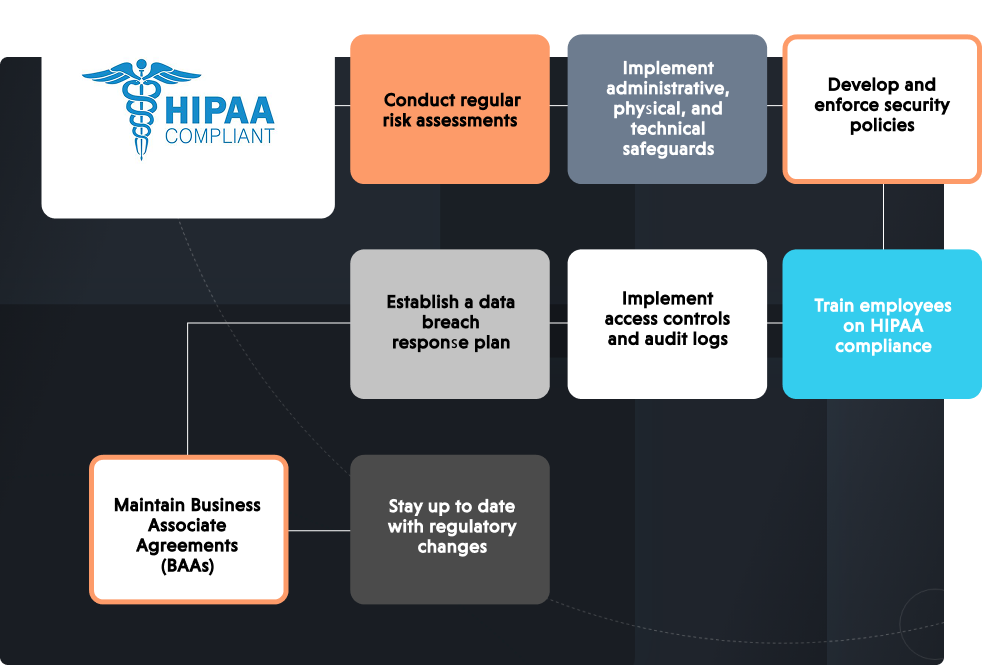
8 steps for ensuring HIPAA compliance

To achieve and maintain HIPAA compliance, organizations must adopt a proactive approach. In general, a company — or its managed IT services provider — needs to take these steps:

1. Conduct regular risk assessments

Organizations must assess potential risks to patient health information security and develop strategies to mitigate them. A thorough risk assessment identifies vulnerabilities in data storage, access, and transmission.

2. Implement administrative, physical, and technical safeguards

HIPAA requires organizations to establish specific safeguards to protect patient health information:

dyn - HIPAA Compliance - icon5Administrative safeguards: Policies and procedures to manage data security, including employee training and access controls.


dyn - HIPAA Compliance - icon6Physical safeguards: Measures like secure facilities, access controls, and device management are used to prevent unauthorized access to patient health information.


dyn - HIPAA Compliance - icon7Technical safeguards: Encryption, firewalls, and access authentication to protect electronic patient health information from cyber threats.

3. Develop and enforce security policies

Clear security policies should be documented and communicated to all employees. These policies must outline guidelines for handling patient health information, including who can access it, how it is stored, and when it can be shared.

4. Train employees on HIPAA compliance

Employees play a crucial role in HIPAA compliance. Regular training sessions should educate staff about data security best practices, phishing threats, and the importance of maintaining confidentiality.

5. Implement access controls and audit logs

Organizations should use role-based access controls (RBAC) to limit who can view and modify patient health information. Additionally, maintaining audit logs helps track data access and identify suspicious activity.

6. Establish a data breach response plan

A well-defined breach response plan outlines steps to take in case of a data breach, including investigation, notification, and corrective action measures.

7. Maintain Business Associate Agreements (BAAs)

Organizations working with third-party vendors that handle patient health information must sign Business Associate Agreements to ensure compliance responsibilities are clearly defined and upheld.

8. Stay up to date with regulatory changes

HIPAA regulations evolve with emerging threats and technological advancements. Organizations must stay informed and update their security measures accordingly.

HIPAA is too important to cut corners

HIPAA compliance is essential for protecting patient information, avoiding legal repercussions, and maintaining business integrity. While achieving compliance can be complex, organizations can implement best practices such as risk assessments, security controls, and employee training to mitigate risks.

For small and mid-sized businesses, partnering with a managed IT services provider can simplify HIPAA compliance by offering expertise, security solutions, and ongoing support. 

It is critical, though, that any partner brought on for IT support — whether they’re a small IT shop or a large managed IT services provider — is both knowledgeable of what it takes to meet HIPAA rules and is in compliance themselves.

dyn - HIPAA Compliance - cta


Kevin is the Founder and CEO of Dynamic Computing. He’s both a visionary leader and an expert hands on practitioner with years of experience in all things IT.