


























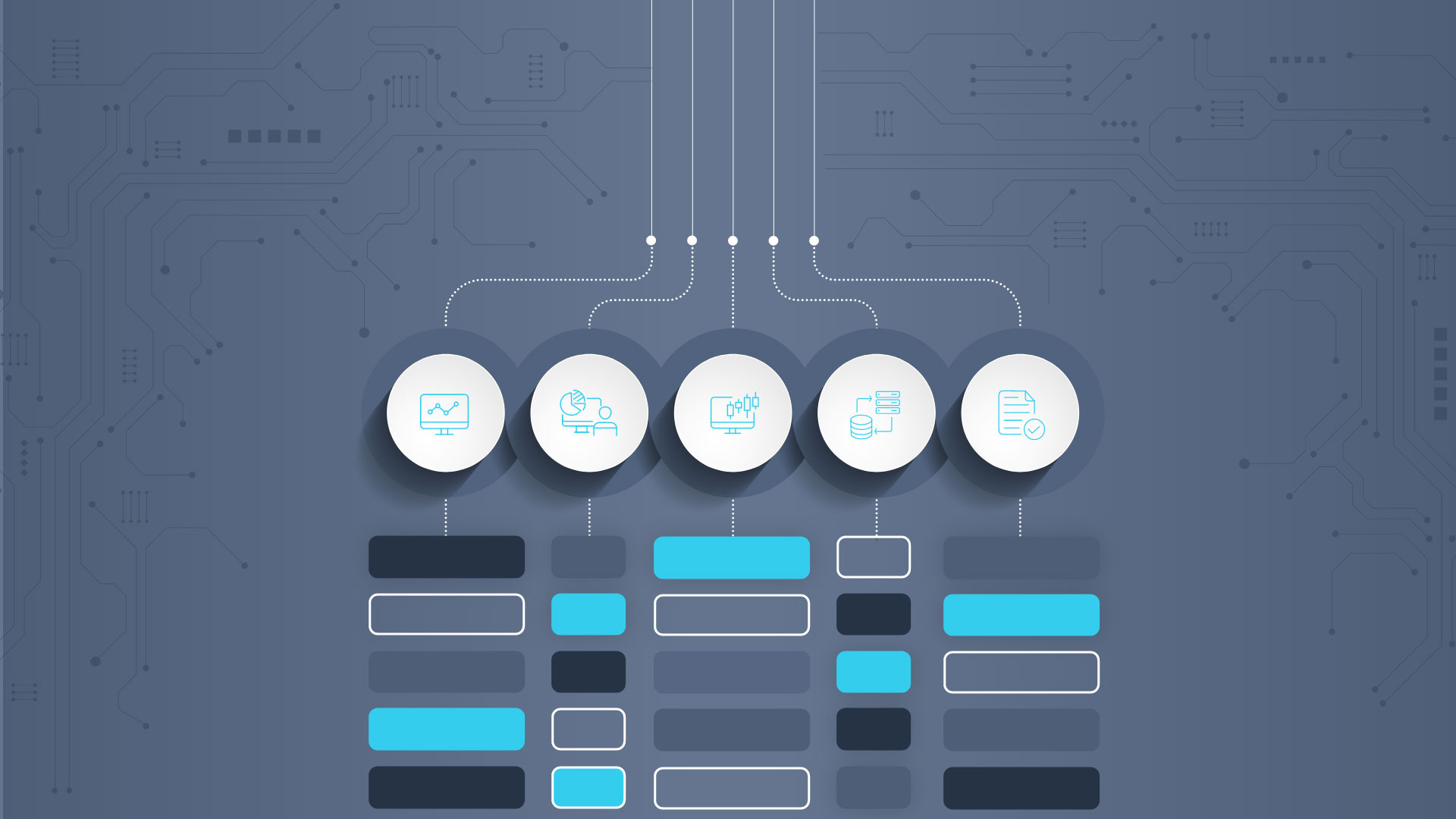













Every piece of unknown or forgotten IT equipment exposes you to risk.

IT Asset Management Basics
As organizations grow and adopt additional technologies, maintaining visibility into IT resources becomes increasingly important for operational efficiency, budgeting, and long-term planning.
Without a structured approach to managing technology assets, businesses can lose track of devices, software licenses, subscriptions, and infrastructure investments over time. This lack of visibility may contribute to unnecessary expenses, inconsistent technology standards, support challenges, and increased operational risk. Having a clear understanding of what technology resources exist within the organization helps support better decision-making and more effective resource management.
IT asset management provides organizations with a framework for organizing, tracking, and maintaining oversight of technology investments throughout their lifecycle. By improving visibility and accountability, businesses can better align technology resources with operational needs while supporting future growth and modernization efforts.
At Dynamic Computing, we help businesses implement IT asset management practices that improve visibility, strengthen operational control, and support more efficient technology management across the organization.
Why IT Asset Management Matters
A failure to know all the IT assets your business has under its roof risks exposing you to a range of issues, including:

Data Breaches
Compliance Failures
Shadow IT
Overspending on IT
A Deeper Look at IT Asset Management
IT asset management focuses on the systematic oversight of technology resources from acquisition through retirement. Rather than simply maintaining an inventory of devices, asset management involves tracking how technology assets are deployed, utilized, maintained, secured, upgraded, and eventually replaced. This lifecycle-based approach helps organizations maximize the value of their technology investments while reducing administrative complexity.
Asset management programs often encompass a wide range of resources, including workstations, laptops, servers, networking equipment, mobile devices, software licenses, cloud services, subscriptions, and other technology-related assets. Maintaining centralized records of these resources helps organizations understand what assets are in use, where they are located, who is using them, and how they contribute to business operations.
Lifecycle management is a core component of effective asset management. Organizations benefit from tracking warranty status, support agreements, replacement schedules, software licensing requirements, and asset performance over time. This information supports more informed decisions regarding upgrades, refresh cycles, budgeting, and future procurement activities.
Asset management also improves operational efficiency by providing greater visibility into technology utilization and resource allocation. Accurate records help streamline employee onboarding and offboarding, simplify device deployment processes, support troubleshooting efforts, and reduce the likelihood of redundant purchases or underutilized resources.
Cybersecurity and compliance initiatives often benefit from strong asset management practices as well. Organizations that maintain visibility into their technology environment are generally better equipped to identify unsupported systems, unauthorized applications, unmanaged devices, and outdated software that could introduce security risks. Asset tracking supports vulnerability management, patching efforts, software compliance requirements, and broader governance objectives.
As technology environments continue to expand, maintaining centralized oversight becomes increasingly important for supporting scalability and operational control. Businesses that understand their technology assets are often better positioned to make strategic decisions, optimize spending, and maintain more consistent technology standards across the organization.
At Dynamic Computing, we help organizations manage technology assets through inventory management, lifecycle planning, asset tracking, and strategic guidance tailored to each business's infrastructure and operational requirements. Our goal is to help businesses improve visibility, reduce complexity, and maximize the value of their technology investments over time.
What's Included in IT Asset Management?
Our IT asset management services take the stress of keeping track of all your assets off your plate. We provide you with:
-
A full IT asset inventory
-
Monitoring of everything connected to your network
-
Regular assessments of hardware and software
-
Recommendations for IT lifecycles
From Our Blog
Why You Need Comprehensive IT Management
It’s a simple fact that, in today’s business, your organization is only as strong as its IT.
Need to keep track of your inventory? That’s IT. Want to attract new customers? IT again. Deliver purchases? Communicate internally? Manage expenses? Keep your existing customers happy? IT, IT, IT and, obviously, IT.
Basically, everything your business needs to keep functioning can be traced to the technology you use. And yet, for many small and mid-sized businesses, IT management is often handled in a patchwork fashion.
Security is reactive, rather than proactive. Computers and other hardware are purchased as needed, without a roadmap for growth. Backups and recovery tools aren’t employed on a rigid, regular schedule.
This is, to be frank, a recipe for disaster. Your IT should never reach the point where you’re forced to constantly put out fires. It needs to be in a place where fires don’t happen, but if they do, they can be put out as quickly as possible.
In other words, your business doesn’t just need IT management, it needs comprehensive IT management.
We Do IT Differently
A partner rather than a provider, we’re an extension of your team, delivering a personalized IT experience you won’t get elsewhere.

Predictable Pricing
Concierge-Level Service
A dedicated primary technician delivers white-glove service at every touch point.
Only Experts
Start Smart
Compliance Experts
100% Local
Committed to Communication
Personalized Support
More About Cyber Security
Get Proactive About Preventative Maintenance
Technology can be many things. It can be powerful, efficient, and cutting-edge...

Why You Need Comprehensive IT Management
It’s a simple fact that, in today’s business, your organization is only as strong as its IT...
What Are Managed IT Services, Really?
These days, every business needs some level of IT support....
Get IT Right This Time
FAQs
IT Asset Management catalogues, monitors, and maintains all the IT assets in your organization. This is particularly important as your business grows and you bring on new team members and IT assets.
Without IT Asset Management, your company can be exposed to a range of issues, including data breaches from unknown or forgotten equipment, compliance failures, usage of unknown hardware and software by your teams, and over-spending on your IT in general.
At minimum, IT Asset Management needs to provide you with a full inventory of all your IT, monitoring of everything connected to your company’s network, regular assessments of your hardware and software, and recommendations for IT lifecycles.