



























.svg)























.svg)












Kevin Gemeroy
Kevin is founder and president of Dynamic Computing. For more than two decades, he has been a trusted technology partner for Seattle-area businesses and nonprofits.
Who We Are
Industries
Solutions
Service Areas
Resources
No organization is immune to data breaches, ransomware, phishing, and other security challenges.
As the threat landscape becomes increasingly sophisticated, traditional firewalls and antivirus solutions are no longer sufficient to ensure robust protection.
That’s where advanced cybersecurity solutions like Security Operations Centers (SOC) and Security Information and Event Management (SIEM) systems come into play.
A Security Operations Center, or SOC, is a centralized facility where cybersecurity professionals monitor, detect, respond to, and mitigate security incidents in real-time. It functions as the command center for an organization’s digital security infrastructure.
SOC teams are made up of skilled analysts, engineers, and incident responders who use a variety of tools and processes to: Continuously monitor systems, networks, and endpoints for suspicious activity
 Analyze data from security tools
 Detect and respond to threats
 Coordinate incident response
 Improve overall security posture through analytics and reporting
SOC operations run 24/7 and serve as the front line of defense against cyber threats. By continuously collecting and analyzing security data, the SOC can rapidly identify and neutralize potential threats before they cause damage.
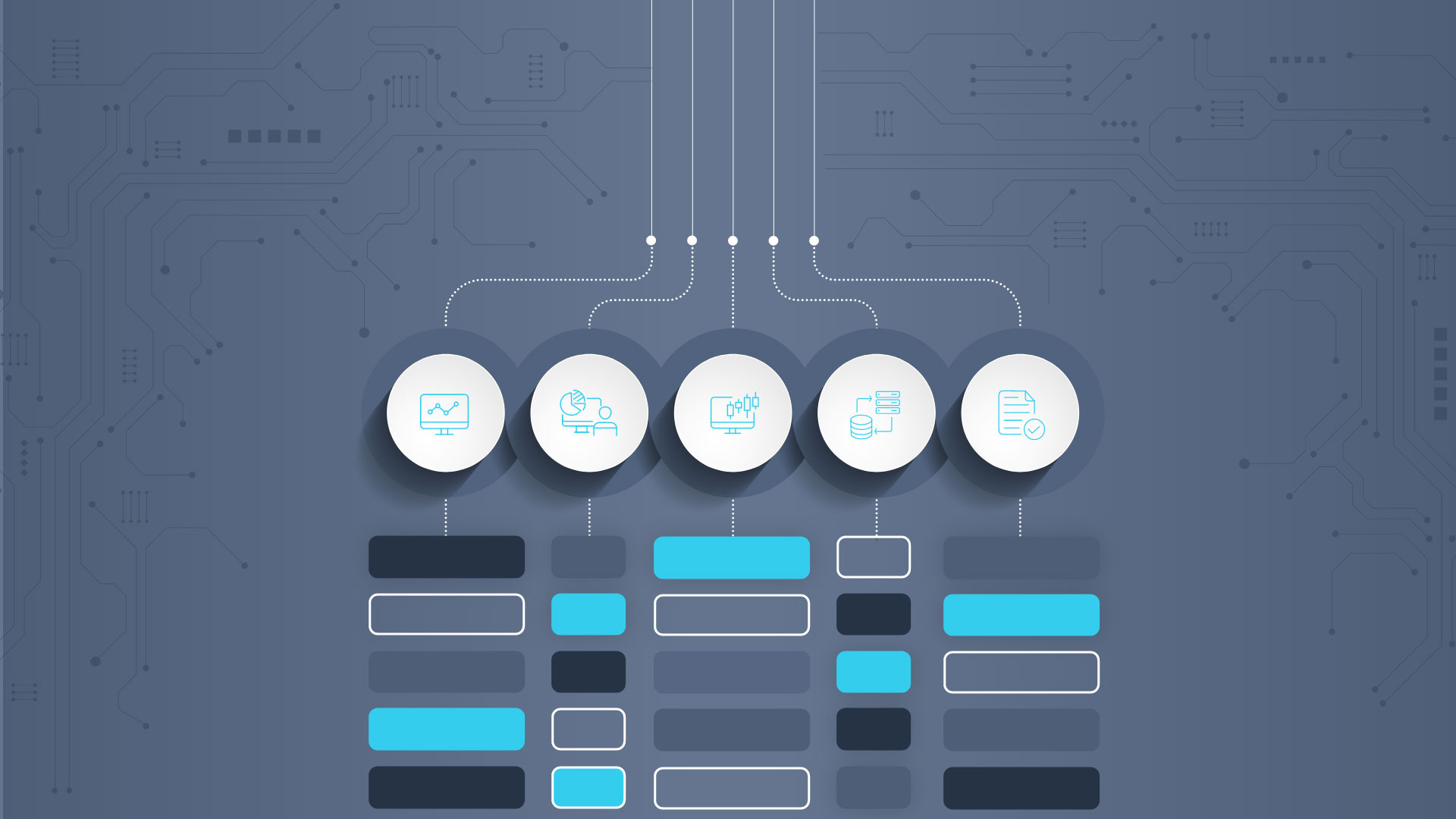
Security Information and Event Management, or SIEM, refers to a category of solutions that provide real-time analysis of security alerts generated by hardware and software systems across an organization. A SIEM system aggregates log and event data from various sources—such as firewalls, antivirus software, intrusion detection systems, and servers—and consolidates them into a single dashboard.
SIEM solutions typically offer the following key capabilities:
 Log Collection and management from disparate systems across the network
 Event correlation that identifies patterns and links related events that may indicate a security incident
 Real-time alerting about anomalies and threats as they occur
 Forensics and incident response based on historical data for investigation and compliance.
 Compliance reporting to assist with adherence to standards like CMMC, ITAR, and other requirements
In short, the SIEM acts as an information source for the SOC, enabling security teams to make informed decisions based on data-driven insights.
Though SOC and SIEM are often mentioned together, they are not the same. A SOC uses a combination of AI tools, techniques, and personnel to provide security, whereas a SIEM provides logging capabilities that are mainly beneficial for compliance. Because of this, we provide a 24/7 SOC as part of our enhanced security services, but only include SIEM if needed for specific requirements.
Many businesses, especially small and mid-sized ones, lack the resources to build a SOC from scratch or manage a SIEM platform in-house.
Managed IT service providers bridge this gap by offering outsourced SOC and SIEM services as part of a comprehensive cybersecurity offering. This includes:
A provider starts by evaluating the organization’s existing IT infrastructure and security posture. This includes identifying gaps, understanding compliance requirements, and determining the appropriate SOC/SIEM architecture.
The provider then selects the right security suite tools—whether cloud-based, on-premise, or hybrid—and integrates them with existing systems. They also set up log collections, configure alert rules, and ensure seamless data flow across devices.
With 24/7 monitoring provided by the SOC team, businesses gain around-the-clock protection. Analysts monitor SIEM alerts, investigate incidents, and initiate responses as needed.
In the event of a breach or suspicious activity, providers offer immediate support. This includes isolating affected systems, eradicating threats, and recovering lost data.
Providers offer detailed reports that help clients understand threat trends, system vulnerabilities, and response effectiveness. They also assist with compliance documentation and audits.
Cyber threats evolve rapidly. Providers keep SOC and SIEM solutions up to date, fine-tuning detection rules, incorporating threat intelligence feeds, and improving performance over time.
Beyond being able to avoid the high costs of hiring and training an internal SOC team or purchasing SIEM software, partnering with a managed IT services provider gains you access to:
As threats grow in complexity and volume, businesses need advanced tools and skilled personnel to defend against them. SOC and SIEM solutions provide the visibility, control, and intelligence required to protect valuable assets and maintain trust with customers and partners.
For businesses that lack the internal resources to implement these solutions, a managed IT services provider offers the ideal path forward.